
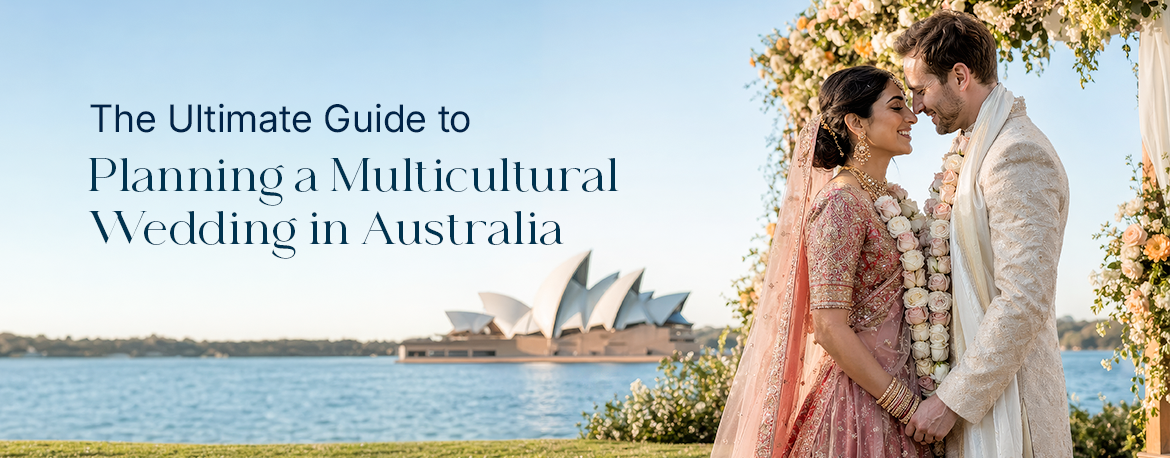
In the Australian landscape, a wedding is rarely just a union of two individuals; it is the merging of two distinct lineages, histories, and sets of expectations. For over two decades, LuxAus Weddings has served as the strategic architect for these complex celebrations, ensuring that heritage is honoured without compromising the modern Australian wedding experience.
This guide provides a professional framework for couples navigating the logistical and emotional intricacies of inter-cultural and inter-faith weddings.
1. Understanding the Australian Multicultural Landscape
Australia is a vibrant mosaic of traditions. To plan effectively, one must understand the specific requirements of each community. Our consultancy covers the full spectrum of the Australian diaspora, including:
- South Asian Unions: Deep expertise in Indian (South Indian, Tamil, Telugu, Gujarati, and Punjabi), Bangladeshi, and Pakistani customs.
- Pacific & Island Heritage: Specialised planning for Fiji Indian and Sinhalese ceremonies.
- Religious Diversity: Navigating the specific protocols of Hindu, Muslim (Nikah), and Christian wedding traditions.
2. The Strategic Planning Framework
A successful multicultural wedding requires a shift from standard planning to a dual-priority logistics model.
Phase A: Establishing the Spiritual & Legal Bridge
The choice of officiant is the most critical decision in an interfaith wedding ceremony.
- The Multi-Officiant Model: For many couples, we coordinate a co-officiated ceremony. This involves a Hindu Priest (Pandit) or Muslim Officiant (Imam) working alongside a Christian Minister or a secular Australian Authorised Celebrant.
- The Translator Role: If there is a language barrier, we recommend bilingual officiants who can deliver prayers and vows in both English and the native tongue, ensuring all generations present feel respected and included.
Phase B: Blending the Ceremonial Calendar
Rather than a single day, consider a “Ceremony Circuit” to prevent guest fatigue while honouring all rites:
- Pre-Wedding Events: Dedicate specific days to vibrant rituals like the Sangeet, Mehndi, or a traditional Tea Ceremony.
- The Procession: Manage the logistics of the Baraat (groom’s procession) or a traditional Sinhalese Poruwa, ensuring the venue has the permits and space required for these unique movements within an Australian council or hotel setting.
3. Capturing the Legacy: Photography Logistics
Multicultural weddings are high velocity events with constant movement and emotion.
- The Package Choice: When reviewing wedding photography packages, prioritise multi day coverage. A single day booking often misses the vital pre-wedding rituals that hold the most cultural significance.
- Style Selection: Seek photographers who excel in candid wedding photography. In a fusion setting, the unposed moments of a grandmother’s blessing or the laughter during a ritual are the most valuable. For those in Sydney, we source wedding photography packages Sydney experts provide who are accustomed to the bright, high-contrast colours of traditional attire.
4. The Decision Making Guide: Merging Traditions
To avoid “tradition overload,” use these professional strategies to decide which elements to include:
The “Core vs. Flare” Strategy
- Core (Non-Negotiable): These are rituals required for religious or legal validity. These should remain authentic and unhurried.
- Flare (Aesthetic): These are social traditions. These can be modernised or blended to suit your personal style.
The Culinary Compromise
Food is the ultimate expression of hospitality. To cater to diverse palates:
- The Hybrid Service: We recommend a “station-based” approach. Allow guests to choose between traditional South Asian flavours and modern Australian fare. This satisfies traditionalists while ensuring accessibility for all guests.
Wardrobe Management
- Strategic Timing: If wearing both a traditional Saree/Sherwani and a Western gown or suit, plan your transitions carefully. We suggest wearing the most intricate traditional attire for the ceremony and switching to Western wear for the reception to allow for ease of movement and dancing.
5. Overcoming Logistics: The Planner’s Advantage
Why hire an experienced multicultural wedding planner? Because the complexity of an inter-cultural wedding often exceeds the capacity of standard venue coordinators.
- The Cultural Mediator: We act as a neutral third party to navigate family expectations and religious sensitivities.
- Hyper-Local Expertise: From sourcing specialised vendors in Thomastown to securing harbour-front venues in Sydney, we know which partners can handle the scale and specific requirements (like sacred fire permits for a Havan) of your event.
6. Global Reach: Destination Excellence
For couples looking beyond Australia, our expertise extends to destination wedding packages in India, Europe, New Zealand, Indonesia, Thailand, UAE, Fiji, Turkey, and Hawaii. We manage the international legalities and local vendor coordination, ensuring the LuxAus Weddings standard is maintained worldwide.
Conclusion: Expertise You Can Trust
Planning a multicultural wedding is about more than just logistics; it is about protecting the sanctity of your heritage while celebrating your unique love story. With 20 years of experience, LuxAus Weddings provides the authority and empathy required to execute your vision flawlessly.
FAQ
How do I plan a multicultural wedding in Australia?
Planning a multicultural wedding is about harmonising two worlds through strategic logistics and open communication. Start by outlining your non-negotiables and consulting with parents to identify essential cultural rites. Decide whether to host two ceremonies or a single blended interfaith wedding ceremony. To ensure a smooth experience, hire a specialised wedding planner to manage complex timelines, consider a bilingual officiant for inclusivity, and provide guest guides to explain unique traditions. Above all, remember to centre the day around your shared vision as a couple.
Can Indians get married in Australia?
Yes. Indian citizens and international students (Subclass 500 visa) can legally marry in Australia. You must simply meet the Marriage Act 1961 requirements, such as being of legal age and lodging a Notice of Intended Marriage (NOIM) at least one month prior to your ceremony.
Do we need two separate ceremonies for an interfaith wedding?
Not necessarily. Many couples now opt for a blended interfaith ceremony where a celebrant and a religious officiant (like a Pandit or Imam) share the stage. However, if the rituals are lengthy or have conflicting venue requirements, hosting two shorter ceremonies over two days is often more comfortable for guests.
How do we handle different dietary requirements for a fusion menu?
We recommend a “Station-Based” approach. This allows you to offer authentic traditional dishes (like Halal or Hindu Vegetarian) alongside modern Australian fare. It ensures all guests find something they enjoy without compromising religious or cultural dietary laws.
What is the best way to explain our traditions to guests from other backgrounds?
Use “Cultural Program Cards” or a dedicated section on your wedding website. Briefly explain the significance of rituals like the Saptapadi or the Tea Ceremony. This prevents guests from feeling like spectators and allows them to feel like active participants in your heritage.